When Your Vape Tastes Like Nothing: The Science of Flavor Fatigue and How to Fix It
You know the feeling. You discover a juice that hits perfectly — maybe a creamy vanilla custard, a sharp citrus blend, something that makes you genuinely look forward to every puff. You vape it happily for a week. Then two. Then somewhere around day fifteen, you take a pull and think: is something wrong with this coil?
Nothing's wrong with the coil. Nothing's wrong with the juice. What's happening is one of the most well-documented quirks of human sensory biology, and it has a name: olfactory adaptation, more casually known as flavor fatigue or — in vaping circles — "vaper's tongue."
Understanding what's actually going on in your nervous system makes the fix a lot more obvious. Let's get into it.
What's Actually Happening in Your Brain
Here's the key thing most people don't realize: flavor is mostly smell. The taste buds on your tongue are responsible for the big five — sweet, salty, sour, bitter, umami — but the rich, complex, specific experience of tasting a strawberry cheesecake vape versus a mango peach? That's almost entirely your olfactory system at work.
Your nose contains millions of olfactory receptor neurons, each tuned to detect specific aromatic molecules. When you inhale a vapor cloud, those molecules travel through your nasal passages and bind to these receptors, triggering signals that your brain interprets as flavor.
Here's where adaptation kicks in: when those same receptors are stimulated repeatedly by the same aromatic compounds, they essentially stop reporting. It's a feature, not a bug. Your nervous system is designed to filter out constant background stimuli and flag novelty instead. It's the same reason you stop noticing the smell of your own home within minutes of walking in, even if guests can smell it immediately.
With vaping, the effect is accelerated by frequency. If you're hitting the same flavor all day, every day, your olfactory receptors are getting hammered with the same signal constantly. They adapt fast. The flavor doesn't disappear — you just stop perceiving it.
Why Some Flavors Cause It Faster Than Others
Not all juices are equally prone to causing fatigue, and there's chemistry behind that.
Heavy, sweet, or complex flavors — desserts, creamy blends, tobaccos — tend to cause fatigue faster because they contain a high density of aromatic compounds. Your receptors have more to adapt to, and they do it efficiently.
Menthol and mint flavors are interesting outliers. Menthol activates cold-sensitive receptors (TRPM8 channels) rather than purely olfactory ones, which is part of why it often feels refreshing even when other flavors have gone flat. It's also why menthol is a popular palate reset — more on that in a moment.
Single-note or simpler flavor profiles — a straightforward tobacco, a clean citrus — tend to produce less severe fatigue because there are fewer aromatic compounds competing for receptor attention.
7 Science-Backed Ways to Reset Your Palate
1. Switch Flavors Intentionally and Systematically
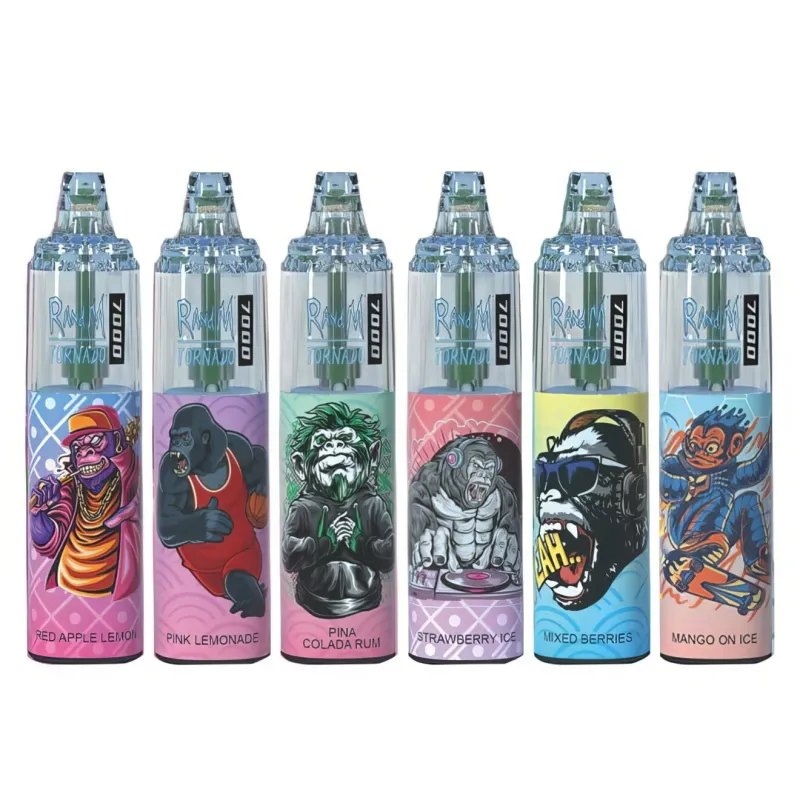
The most effective prevention is also the most obvious: don't vape the same flavor all day, every day. Build a rotation with genuine contrast — something fruity, something menthol, something tobacco or neutral — and cycle through them. Your receptors can't adapt to what they're not constantly exposed to.
A practical approach: dedicate specific devices or pods to specific flavor categories (another great reason to have a couple of devices in your lineup), and alternate throughout the day rather than finishing one before moving to the next.
2. Smell Coffee Grounds Between Sessions
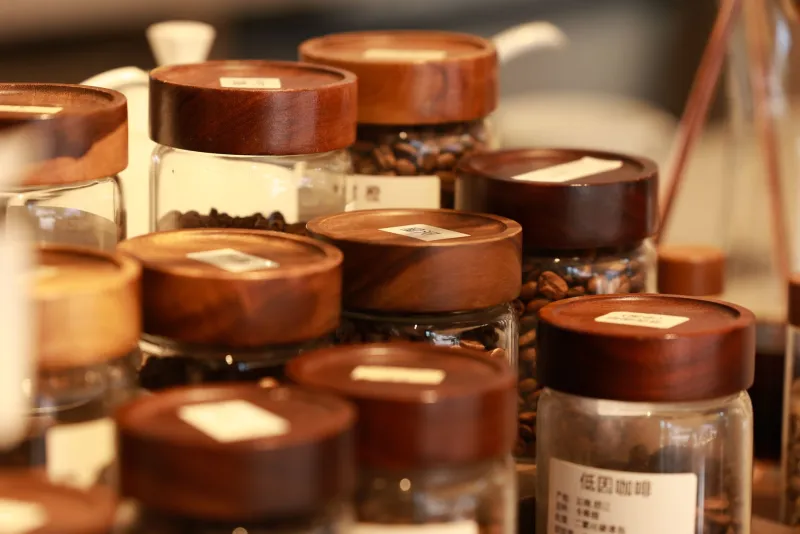
This one sounds like a myth but has real sensory science behind it. Coffee contains a compound called 1-methylpyrrole, and some research suggests that inhaling coffee grounds helps reset olfactory receptors between strongly scented stimuli. Perfume counters have used this trick for decades. Keep a small jar of whole coffee beans at your vape station and take a few slow sniffs when your flavor starts going flat.
3. Stay Seriously Hydrated
Dehydration is one of the most underrated contributors to dulled taste perception. Your mouth needs adequate moisture to dissolve aromatic compounds and deliver them to taste receptors effectively. Propylene glycol, a primary ingredient in most e-liquids, is also mildly hygroscopic — meaning it pulls moisture from your mouth and throat. If you're vaping regularly and not drinking enough water, you're making the flavor fatigue problem significantly worse.
Aim for at least eight glasses of water daily if you vape regularly, and consider keeping water nearby during sessions.
4. Take a 24-48 Hour Break From Strong Flavors
Sometimes the most effective reset is time. If you can swing it, give your olfactory system a genuine rest from heavily flavored vapes for a day or two. Switch to an unflavored or very lightly flavored nicotine option, or reduce your session frequency. Olfactory receptors can recover relatively quickly when the stimulus is removed — many vapers report significant improvement after even a single day off from their main flavor.
5. Use Menthol as a Palate Cleanser
Because menthol works through a different receptor pathway than standard flavor compounds, it can function as a genuine sensory reset between sessions. A few puffs of a clean menthol or spearmint vape before switching back to your primary flavor can help clear the olfactory slate. Think of it like the sorbet between courses at a tasting menu — it's there to prepare your senses for what's next, not to be the main event.
6. Try Palate-Cleansing Foods
Certain foods are well-documented for their ability to reset taste perception. Plain crackers or unsalted bread absorb residual flavor compounds in the mouth. Lemon water stimulates salivary glands and helps clear the palate. Ginger has been used for centuries as a sensory cleanser. None of these are vaping-specific hacks — they're techniques used by professional tasters, sommeliers, and flavor scientists. They work.
Avoid eating strongly flavored foods right before a session if you're trying to taste a juice accurately. Your palate carries flavor memory from recent meals more than most people realize.
7. Clean Your Coil or Switch to a Fresh One
This is the practical hardware angle that sometimes gets overlooked in the neuroscience conversation: coil gunk is real. Residue from previous juices builds up on coils over time, especially with sweet or dark-colored e-liquids. That residue burns and mingles with your current flavor, muting and distorting what you're tasting. If you've tried everything else and the flavor is still flat, put in a fresh coil. The difference is often immediate and significant.
Also rinse your tank thoroughly between flavor changes. Flavor cross-contamination is subtle but cumulative.
Building Better Habits Going Forward
Flavor fatigue is almost entirely preventable with a little intentionality. The vapers who rarely deal with it tend to share a few habits: they rotate flavors regularly, they stay hydrated, they clean their hardware consistently, and they pay attention to when their palate starts feeling blunted rather than pushing through it.
The variety itself is part of the fun. Vaping has one of the most diverse flavor landscapes of any consumer product category — there's no good reason to get locked into a single juice and vape it into sensory oblivion.
Your palate is a precision instrument. Treat it like one, and your favorite flavors will keep delivering. At Angel Cigs, we've got the range to keep your rotation fresh — because tasting everything is kind of the whole point.